The simple but true writing advice I give my students:
Truth! And this is true not just in writing, but in teaching, too. Let students see at least a little bit of the real you. Authentic connections lead to engaged, connected classrooms.
On Wednesday, it rained in Northern California. This is something that hasn’t been happening very often. (See also: drought.) It was glorious & noteworthy.
And so, my frosh college comp students wrote haikus about the rain. Yes, it had to happen.
And it was good. To stop. To not rush. To listen. Feel. Connect. Discover. To Write. Together.
Here’s some of what they had to say. (All writing by English100 students, each space is a new writer):
Clouds filled with wet life
Sound of peace with sleep
The earth is renewed
Every time rain falls down
Water creates life.
Photo @ collegereadycoach.com by: lisalu22
~~~
Each line is a complete image in very few words. I compiled this one longer poem from various lines out of the students’ original work. Each one was lovely as a stand alone haiku, but putting it together like this connected writers’ ideas to a collaborative mosaic.
Do you teach poetry in your classes? If so, what do the students think? A few of mine were skeptical at first. They needed time to brainstorm, to think it out, and to really understand that there was no objective, and no assessment. If the haiku turned out well, great. If students weren’t happy with it, then they need not turn it in. Low risk and high reward, especially as students read their poems aloud. I hope you will take some time to notice the rain, or the snow, or whatever else is of interest in your part of the world. Make it noteworthy. Craft some poetry together. Share some writing. Make some connections.
~~
I happen to love the rain. Do you? I love the smell, the way the air feels. I love walking across campus in it. Here in California, we aren’t going to be making our way out of this devastating drought anytime soon, but at least we had a little sliver of silver lining on Wednesday.
Happy Friday,
Lisa (aka, The Happy Teacher)
Need a refresher course on Haiku? It’s a form of Japanese poetry made up of three lines. Lines are 5/7/5 syllables each. The first line consists of 5 syllables, the second line consists of 7 syllables, and the third line consists of 5 syllables. Haiku often focuses on nature. For more on how to write a haiku, click here.
During this time of year, many lessons naturally tend to focus on the first Thanksgiving, what students have to be thankful for, and how we might give back to others in need. Thanksgiving is the perfect time to cultivate kindness in the classroom. Here’s why:
“Kindness is best learned by feeling it.” Cultivate kindness in your classroom and watch the ripples grow & spread. It’s an amazing thing to watch kindness catch on, AND studies prove that students learn better when they feel supported, appreciated, and safe.
Be a Role Model: I am a big believer in the need for teachers to show kindness to their students. Heck, what does a smile cost us? Not one thing!! And you never know when that smile you give to a student might just be the only one he or she receives all day.
Get Involved: Many teachers have started random acts of kindness projects in their classrooms. Others get the students involved by holding a food drive, a sock drive, or a diaper drive to support community organizations such as food banks and homeless shelters. There are so many little things that even our youngest students can participate in. Being directly involved and taking a hands-on approach to helping others will in-turn help foster kindness, gratitude and empathy in our students.
Strengthen Bonds, Build Community: When our students feel loved (or at least liked) in our classrooms, they feel comfortable and capable. Resilience is strengthened. They can take risks. That hard to reach or “tough” student can let down some barriers and even show kindness and caring to others. Students feel responsible for their classroom and larger community and engage in building it up rather than tearing each other down. I like to think of it like a wave of kindness that starts when one person reaches out to another. Start that ripple and watch it grow.
There you have it. Three simple ways to build a culture of KINDNESS in the classroom. If you have ideas and suggestions that have worked for you, please leave them in the comments. I would absolutely LOVE to hear how you help foster community and kindness with your students. 🙂
Happy November everyone. May this season of thanks and giving be a healthy & happy one for you.
October is National Bullying Prevention Month. Please do your part to Stand Up, Speak Out, Connect & Care. Share this message all month long on your social media sites. All children deserve to feel safe, welcome, and valued in school. Thanks so much! ~Lisa
“Nobody likes you. You can’t play on this court. Not at this lunch table. You talk funny. You’re not one of us. Too short. Too tall. Too fat. Too dumb. Too smart.” Hurtful words that cut deep. And in the rapid-fire age of social media that our kids live in, these words become wounds that spread quickly.
We must all work to prevent bullying–in our classrooms, our communities, and our homes. October is Bullying Prevention Month. No, it’s not fun, it doesn’t have a catchy ring to it, and sometimes, adults are actually afraid to talk about the issue. But, it’s our job. We need to stand up, be role models and work for change.
STAND UP. Be the Change and Stop the Bullying: We all need to be a part of the solution. Do your part. Stand up and speak up when…
I’m reblogging this post in honor of Banned Books Week 2014, where that lovable baby in a diaper is once again the most dangerous book in America. Ahh Dav Pilkey. I’m so proud to be one of your biggest fans!
The best way to fight censorship? Read. Read one of the books on this list, or read anything. Just read.
Celebrate Banned Books-read one of these 40 books that have been banned or otherwise challenged.
Biggest surprise? Charlotte’s Web. But maybe an even bigger surprise…the #1 Most Banned Book of 2012. Think you know what it is? Post your guess in the comments and I will let you know on Thursday.
For now, I’ll give you a hint–it *is a children’s book. Ok, I’ll give you two hints–it is not pictured here. Good luck!
Please consider becoming a CollegeReadyCoach.com follower. Help us spread the word about student success & happy teachers!! You can follow us on facebook. You know the drill, just click that little blue “like” button up there on the top right. Easy Peasy. Or, you can follow the blog as a subscriber. Just enter your info in the box and join the over 400+ other amazing folks in the tribe! Please and…
As a college instructor for over fifteen years, I’ve learned the importance of starting off the semester with a framework for student success. Although you may find it hard to schedule it in, taking time for this type of discussion in the early weeks is so valuable and will lead to better student outcomes, more engagement, and higher student retention.
These are the “Top 4” strategies for student success we’ve been discussing in the classroom:
1. Growth Mindset: Intelligence is not “fixed.” You are not programmed at a certain level of “smart” and that’s that. Your brain is like a muscle, and with more use, and practice, you can grow your dendrites. (See also neuroplasticity.) You can improve in a subject area. For example, it isn’t that you “just aren’t good at writing, never have been,” but that you have not yet learned the right combination of skills and techniques for that assignment. Once you have these skills, (in writing or another subject) you will see steady improvement.
2. Personal Survey: Find out how you feel about learning. (See #1 above regarding how self-limited beliefs can shape outcome.) What were your previous experiences like with this subject matter in school, higher education, or in the K-12 school system? Think about your prior knowledge and experience (schema) on the subject. Find a connection, with your courses, & the college. If you’re not already excited for the semester, find some way (student clubs, sports, etc.) to get excited. The brain on positive is 31% more productive than on negative, stressed, or even neutral!
3. Goal Setting: establish “SMART” goals. Goals should be Specific, Measurable, Attainable, Relevant and Time-based. For best results, write or type out your goals and address each of the SMART areas. When you think about and set goals early in the semester, it leads to you taking the small steps to achieve those goals. For example, it’s fantastic to say, “Well my goal is an A in this class.” You have a positive attitude and are setting high expectations for yourself. But, what specific action steps will you take that will lead you to obtaining that grade? How many hours a week will you study? On what days? Where?
4. “The Basics.” Read the syllabus. Go to (every) class. Visit your instructor early and often when you have questions. We welcome, expect, and want you to come to office hours! We don’t bite! I promise! And we’re even kinda funny, in an endearingly nerdy sorta way! Again, I promise! 🙂
If you are a student, let us know in the comments which of these strategies you find most helpful, or most difficult, to put into action. If you’re an instructor, let us know if you spend time during the early weeks of the semester working on these metacognitive strategies, and/or which others you might add to the list.
For more on all of these topics, (including the research that backs it up), check out our blog archives, or leave a comment with any questions. We like–no–LOVE questions here at College Ready Coach! Now go out there and light some fires!
Happy Labor Day. Whether it’s a barbecue with family, a picnic at the park with friends, or a trip to the beach with Fido, I hope you are relaxing on the day set aside to honor American workers and their contributions to making this country strong. We honor all workers, both blue and white collar and we honor teachers, who are most certainly a vital part of our healthy workforce.
Labor Day is also the unofficial end of summer for many around the nation, so for those of you that are on the verge of heading back to school, (both students and teachers) we wish you the best!
Questions are the sign of a healthy classroom. Encourage students to ask all sorts of questions, especially open-ended questions that require process, experimentation, and research. Let them see that the instructor doesn’t “own” all the knowledge or have all the answers. You will be creating a classroom culture of inquiry & critical thinking.
The starting point for a successful semester is to take a look at your mindset and your beliefs about your abilities. Make sure that you are surrounding yourself with positive messages that you can and will get to the finish line (aka the end of the semester).
The first week of college is challenging, but with the right state of mind you can tackle any challenge. Visualize success. That’s what top athletes do, from Michael Jordan to Michael Phelps, and it works!
Remember to reach out to me if you have any questions on how to make this a successful semester. Consider me your virtual college coach. I love teaching and I love helping students reach their goals!

![be-authentic[1].jpg](https://image-store.slidesharecdn.com/709829ea-d535-48f2-9e60-30d8edc617dc-medium.jpeg)

![10385360_405410692939599_4955415088130427375_n[1]](https://collegereadycoach.com/wp-content/uploads/2014/11/10385360_405410692939599_4955415088130427375_n1.png)


 “Nobody likes you. You can’t play on this court. Not at this lunch table. You talk funny. You’re not one of us. Too short. Too tall. Too fat. Too dumb. Too smart.” Hurtful words that cut deep. And in the rapid-fire age of social media that our kids live in, these words become wounds that spread quickly.
 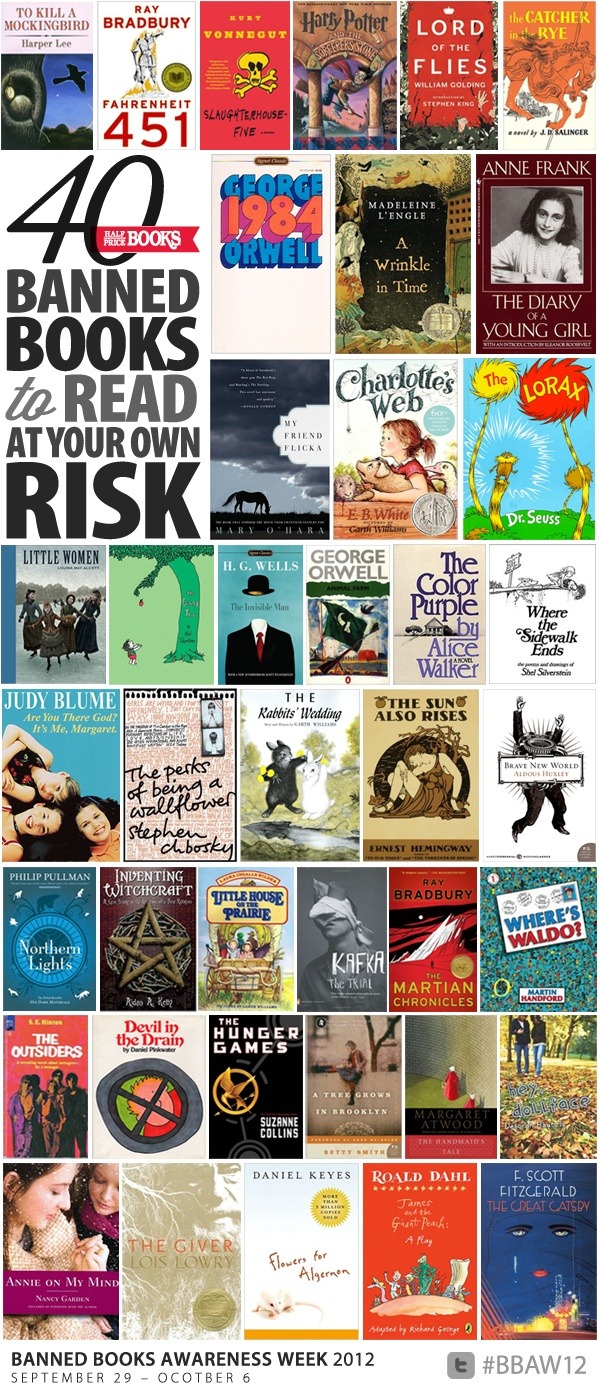 Biggest surprise? Charlotte’s Web. But maybe an even bigger surprise…the #1 Most Banned Book of 2012. Think you know what it is? Post your guess in the comments and I will let you know on Thursday.


 College Ready